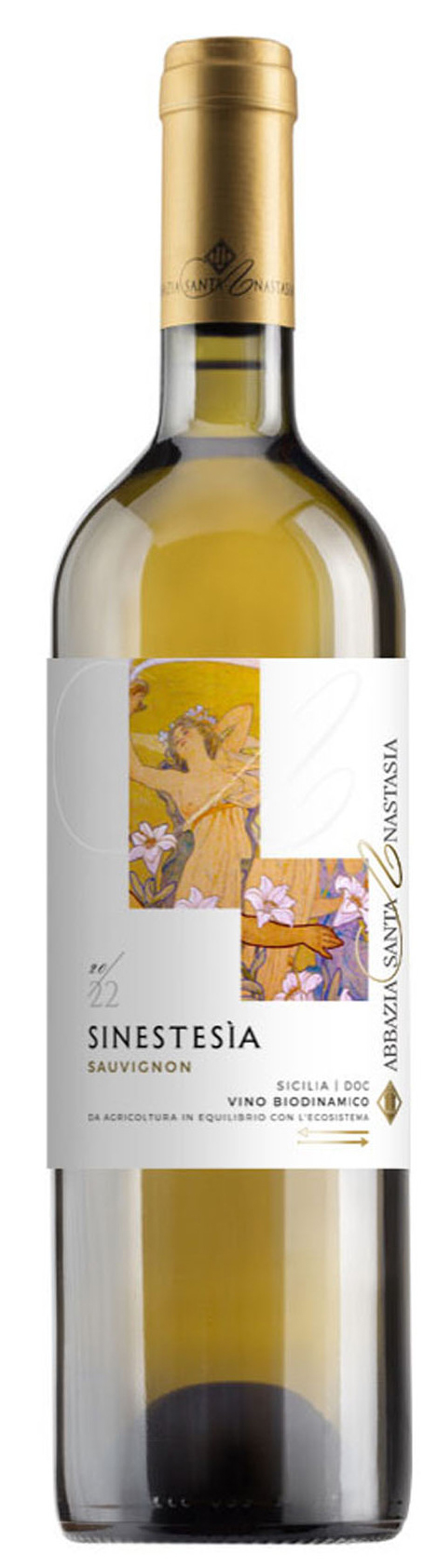
桃, Pesca, Peach - リンゴ, Mela, Apple - ザクロ, Melograno, Pomegrante - 柑橘系, Agrumato, Citrus - ミネラル, Minerale, Mineral -
Radar
Bars
Sesti
Sauvignon
2025
Body
6.7/10
Astringency
0/10
Dryness *
6.7/10
Acidity
6.7/10
Aroma
6.8/10
*Tasting data from producer *Dryness *: lower value = sweeter
Producer
Toscana
Giuseppe Sesti, the founder, has an interesting background, studied astronomy at university and then theater. With the family we moved to Montalcino in 1975 when he discovered the wine, but until 1992 he produced no bottle.
With 1995 it is the first vintage came out on the market.
The corporate style incorporates astronomy studied at the university in the cultivation of grapes and uses its theory for planting plants and when to start the harvest.
On their Brunello Riserva every year a different label is created, inherent to an astronomical event that happened in that particular vintage.
Her daughter, Elisa, is now in charge of the cellar. The top wine, Brunello Riserva "Phenomena", was released only in good-excellent years. The winery is located has a historic building called Castello di Argiano, one of the fortifications built to protect Montalcino in the 12th century.
*Tasting data from producer *Dryness *: lower value = sweeter
Producer
Sicilia
The estate covers 400 hectares in the territory of Castelbuono, in the Madonie Park, on hilly terrain at an altitude of between 200 and 500 meters above sea level, swept by the breeze of the Mediterranean Sea and just a few kilometres away from Cefalù. Each stone of the Abbey tells a story: A story that began in the twelfth century.
Abbazia Santa Anastasia can boast a wine-producing legacy dating as far back as the twelfth century. It is a legacy handed down by the Benedictine monks. Its mark is present in every stone, plant grape: a tradition that is rooted in the respect for the earth and in the creation of an ecosystem that expresses its identity in every bottle of wine.
Founded by Count Roger of Hauteville in the twelfth century, it was first entrusted to the Theatine monks and later to the Benedictines. The latter started the production of wine, which soon became the most requested on the tables of nobles and clergy in Sicily. For a long time, the abbey was the cultural and economic centre of the area, thanks to the interest in wine. After the Benedictines left the abbey, the complex underwent a slow and unrelenting decline until becoming a ruin. A series of works requiring great skill and aiming at excellence made it possible to recover the abandoned lands, restoring them to their original lushness thanks also to the extraordinary characteristics of the microclimate. The results achieved were also made possible by the contribution of two outstanding figures like Giacomo Tachis and Riccardo Cotarella .
The accurate and masterly restoration of the complex made it possible to restore the ancient pomp of the abbey, creating an exclusive resort to offer hospitality with world-class comforts. The resort hosts its guests in 28 rooms, each dedicated to a grape variety. The facility features two restaurants, which are the ideal setting to discover Mediterranean cuisine and the estate's wines, as well as a modern gym, a swimming pool and over 400 hectares of land for walks to discover the true nature of Sicily.
*Tasting data from producer *Dryness *: lower value = sweeter
Producer
Sicilia
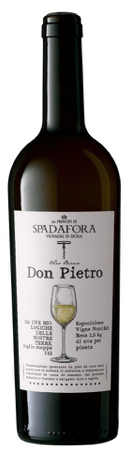
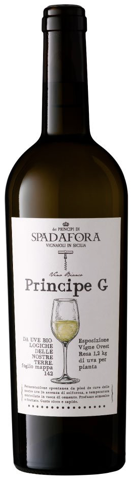
Spadafora is a noble Sicilian family, whose first certified traces date back to 1230. Over the centuries, the Casato had the predominance over five principalities, a duchy, two marquisates, a county and twenty-five baronies. Some of the family members have occupied leading positions in the Kingdom of Sicily and in some European States.
The founder of the farm is Don Pietro dei Principi di Spadafora, who inherits the estate from his uncle Michele De Stefani, a talented farmer and breeder of race horses. The estate suffered a lot of damage during the 1968 earthquake but don Pietro undertook both the reconstruction and the redevelopment of the company, reevaluating the native vineyards and bringing to Sicily allochthonous vineyards destined for the birth of quality wines.
The current owner is Francesco Spadafora, son of Don Pietro, married to his wife Claudia, flanked by his daughter Enrica.
The history of Spadafora bottled wine begins more than thirty years ago, in the summer of 1988, when Don Pietro Dei Principi di Spadafora decided to explore another world; so from the countryside of Mussomeli, family property in the Sicilian hinterland where wheat was cultivated, his son Francesco moved to Virzì to take care of the vineyards, transforming the grapes into wine.
Spadafora wines are made only with our grapes, located in the Virzì district, (Municipality of Monreale, map sheet 142), in the area adjacent to the cellar, so much so that it is defined as the garden that surrounds our houses.
This product contains alcohol. Please confirm you are 20+.
Olivella
オリヴェッラ
Racemo Frascati Superiore
ラチェーモ・フラスカーティ・スーペリオーレ
D.O.C.G.2024 – 750ml
Varietals
Malvasia Puntinata 50%
Malvasia di Candia 20%
Grechetto
Body
ミディアム-ライト Medium - Light
Flavour / Scent
果実, Fruttato, Fruity - リンゴ, Mela, Apple - ミネラル, Minerale, Mineral -
Radar
Bars
Olivella
Racemo Frascati Superiore
2024
Body
7/10
Astringency
0/10
Dryness *
7/10
Acidity
7/10
Aroma
7.7/10
*Tasting data from producer *Dryness *: lower value = sweeter
Producer
Lazio
L’Olivella was founded in 1986, thanks to the inspiration of an expert viticulturist from Puglia, Mr Umberto Notarnicola, and a scrupulous wine expert from Piedmont, Mr Bruno Violo, both in love with the landscape of Latium. It’s a young, dynamic agricultural holding, constantly innovating itself but keeping strength links with the local culture and traditions. The hills, where the vines of Frascati grow up, are of volcanic origin, rich in mineral salts (potassium, phosphorus, calcium and magnesium) and poor in nitrogen.
The ideal mix for growing vines and producing wines of high organoleptic quality. L’Olivella is located between Monteporzio and Frascati, in the hills surrounding Rome, a few kilometres to the south, along the via Tuscolana. It is easy to reach from the Rome-Naples motorway, exiting at the Monteporzio Catone junction. Frascati has always been the wine of Rome, boasting the longest historical traditions: the ancient Romans prized the wine of Tuscolo, the hill above Frascati, a natural terrace overlooking the Capital.
Pope Paul III (1534 – 1549) before becoming Pope, as bishop of Frascati, made this wine, Frascati, ever present on the Pope’s table. Goethe, the famous German writer, during his stay in Rome in 1816, define it as “a paradise”.
A young, dynamic agricultural holding, constantly innovating itself
but keeping strength links with the local culture and tradition.
*Tasting data from producer *Dryness *: lower value = sweeter
Producer
Trentino Alto Adige
In 1928, Peter Zemmer, the great uncle of the present winemaker of the same name, established the winery. Vineyards and wineries in the best locations around Cortina s.s.d.v. in the lowlands of Alto Adige have been part of the winery since then. Helmut Zemmer, the founder’s nephew, has always been working in the business and after the early death of his uncle in 1969, he took over the winery, which he has turned into one of the leading companies in the region. Now his son Peter continues the legacy in the interest of his family. Peter Zemmer’s precious experience, detailed and innovative knowledge, together with the perfect natural environment, guarantee the quality and the expressive character of the wines, in harmony with the surrounding nature.
The area in and around Cortina s.s.d.v. offers the ideal breeding ground for high quality white wines and authentic red wines. Peter Zemmer knows his land, his vines, and climatic conditions like the back of his hand and how to best work the soil. The authentic wines thus combine the closeness to nature and inspiration.
*Tasting data from producer *Dryness *: lower value = sweeter
Producer
Sicilia
Spadafora is a noble Sicilian family, whose first certified traces date back to 1230. Over the centuries, the Casato had the predominance over five principalities, a duchy, two marquisates, a county and twenty-five baronies. Some of the family members have occupied leading positions in the Kingdom of Sicily and in some European States.
The founder of the farm is Don Pietro dei Principi di Spadafora, who inherits the estate from his uncle Michele De Stefani, a talented farmer and breeder of race horses. The estate suffered a lot of damage during the 1968 earthquake but don Pietro undertook both the reconstruction and the redevelopment of the company, reevaluating the native vineyards and bringing to Sicily allochthonous vineyards destined for the birth of quality wines.
The current owner is Francesco Spadafora, son of Don Pietro, married to his wife Claudia, flanked by his daughter Enrica.
The history of Spadafora bottled wine begins more than thirty years ago, in the summer of 1988, when Don Pietro Dei Principi di Spadafora decided to explore another world; so from the countryside of Mussomeli, family property in the Sicilian hinterland where wheat was cultivated, his son Francesco moved to Virzì to take care of the vineyards, transforming the grapes into wine.
Spadafora wines are made only with our grapes, located in the Virzì district, (Municipality of Monreale, map sheet 142), in the area adjacent to the cellar, so much so that it is defined as the garden that surrounds our houses.
*Tasting data from producer *Dryness *: lower value = sweeter
Awards
Magazine
Item
Vintage
Points
Decanter
Vernaccia S. Gimignano S. Margherita
2021
90
J. Suckling
Vernaccia S. Gimignano S. Margherita
2020
93
Decanter
Vernaccia S. Gimignano S. Margherita
2020
90
R. Parker
Vernaccia S. Gimignano S. Margherita
2018
92
Decanter
Vernaccia S. Gimignano S. Margherita
2015
94/100
Producer
Toscana
1979
Giovanni Panizzi purchases the Santa Margherita estate just outside the ancient walls of San Gimignano. There is also a vineyard of a few hectares, with which Gianni, almost for fun, starts producing wine, with passion and his own style.
1989
With the advice of the oenologist Salvatore Maule, the technique is refined. In 1989 there was the first real harvest and, the following year, the first Vernaccia di San Gimignano was sold, characterized by the unmistakable label.
1995
Panizzi quality and style are affirmed by critics and wine lovers. The vineyard surface grows, as does the number of bottles produced. As early as 1990, other wines were born, including Vernaccia di San Gimignano Riserva and Chianti Colli Senesi Vertunno.
2001
Vernaccia di San Gimignano Riserva '98 Panizzi is awarded, by the Gambero Rosso Italian Wine Guide, with the assignment of 3 glasses: it is the first time that a Vernaccia di San Gimignano has obtained this coveted recognition.
2005
Giovanni Panizzi, while remaining at the helm of the company, passes the baton of the property to Luano Niccolai, who will be succeeded by his son Simone who, in the following years, transforms the company into an Srl, increases the vineyard area and expands the cellar.
*Tasting data from producer *Dryness *: lower value = sweeter
Producer
Piemonte
The history of the Chionetti family has been linked to the vine from the 19th century.
The turning point came in 1912 when Giuseppe Chionetti bought the farm in a suitable area for vineyards in San Luigi in the town of Dogliani.
Starting from this moment the Chionetti family linked it own name with the dolcetto wine they were selling to the biggest traders of the area.
Gradually the sale of bottled wine, and consequently the Chionetti name, were established. But it is thanks to Quinto, grandson of the founder Giuseppe, that the marketing of the bottles with the name of the family really grew. Andrea then, the son of Quinto, decided to explore the potential of their vineyards and, as a result, they start to produce trhee crus: Sorì Briccolero, San Luigi, Vigna la Costa.
In those years the company expanded significantly linking its name to the Dogliani wine and started to export abroad and in the US.
In 1988, in the moment of maximum growth, Andrea and his daughter Elena died in a car accident. Quinto nonetheless continued the work that years before he had handed over to his son, leading the company with great determination in the new millennium.
In 1999 Maria, the wife of Andrea, took the decision to help him, leaving her work in a bank.
Finally in 2013, Quinto handed the reins over to his grandson Nicola, who decided to carry on the tradition of the production of the Dogliani, recuperating the vinification of the cru La Costa, already wanted by his father Andrea.
Since 2015 the Chionetti family has purchased 3 vineyards in the Barolo area. The grapes are vinified separately, thus giving three distinct Barolo wines.
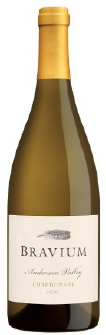
Bravium Winery
Chardonnay Anderson Valley - Mendocino USA
2023
Body
7.4/10
Astringency
0/10
Dryness *
7.9/10
Acidity
8/10
Aroma
7.9/10
*Tasting data from producer *Dryness *: lower value = sweeter
Awards
Magazine
Item
Vintage
Points
J. Suckling
Chardonnay Anderson Valley - Mendocino USA
2023
93/100
J. Suckling
Chardonnay Anderson Valley - Mendocino USA
2023
92/100
"A quite nice, flavorful and rich-tasting wine that offers indulgent ripe fruit flavors and handsome oak spices. Plenty of ripe green apples, pears, vanilla bean and nutmeg on the palate, with a full body and rather soft acidity."
VinePair
Chardonnay Anderson Valley - Mendocino USA
2022
Top 27 USA Chardonnay
VinePair
Chardonnay Anderson Valley - Mendocino USA
2021
Top 27 Chardonnay
"Bravium boasts four words on its homepage: Sun, soil, wind, and fog. They make wine in the unique northern AVA of Mendocino, specifically Anderson Valley. And this wine is a good example of the kind of balance wines here can attain. The wine is drying on the nose with some pear fruit but mostly that clean river rock-like minerality. The drying sensation carries to the mouthfeel along with a welcome alcoholic depth. There is oak here but it’s almost imperceptible giving the wine its needed depth."
Producer
California - USA
As a winemaker, I am a minimalist in every sense of the word, especially when it comes to Pinot Noir,” said Derek.
Derek founded Bravium―a Latin word meaning “gift” or “prize”―in 2007. His widely acclaimed small-lot Pinot Noir and Chardonnay are characterized by excellent structure and aging potential, along with invigorating acidity, which allows for seamless pairing with a variety of foods.
Of all the influences that have shaped Derek’s path, his family’s Cherokee heritage has been the steady drumbeat that led him to the right places at the right times. His parents gifted him the name “Winter Hawk” as a child. To this day, the sight of a hawk feather in his vineyard reminds Derek that he is fulfilling his destiny. That rich heritage gently guides his hand in the cellar. For Derek, terroir is a gift.
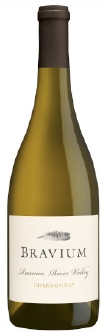
Bravium Winery
Chardonnay Russian River Valley - Sonoma USA
2024
Body
7.8/10
Astringency
7.6/10
Dryness *
7.4/10
Acidity
8/10
*Tasting data from producer *Dryness *: lower value = sweeter
Awards
Magazine
Item
Vintage
Points
J. Suckling
Chardonnay Russian River Valley - Sonoma USA
2024
91/100
Wine Enthusiast
Chardonnay Russian River Valley - Sonoma USA
2022
93/100
“Caramel apple aromas and butterscotch flavors lend a rich, indulgent expression to this full-bodied and lush-textured wine. The price is great, too, for a Russian River wine of this quality. ”
J. Suckling
Chardonnay Russian River Valley - Sonoma USA
2022
91/100
“Fresh lemon zest and pineapples, with some praline notes from the fine, creamy oak toast. Fresh and flavorful with a zesty, medium-bodied palate before a long, creamy finish. Drink or hold.”
Wine Enthusiast
Chardonnay Russian River Valley - Sonoma USA
2021
92/100
J. Suckling
Chardonnay Russian River Valley - Sonoma USA
2021
91/100
Producer
California - USA
As a winemaker, I am a minimalist in every sense of the word, especially when it comes to Pinot Noir,” said Derek.
Derek founded Bravium―a Latin word meaning “gift” or “prize”―in 2007. His widely acclaimed small-lot Pinot Noir and Chardonnay are characterized by excellent structure and aging potential, along with invigorating acidity, which allows for seamless pairing with a variety of foods.
Of all the influences that have shaped Derek’s path, his family’s Cherokee heritage has been the steady drumbeat that led him to the right places at the right times. His parents gifted him the name “Winter Hawk” as a child. To this day, the sight of a hawk feather in his vineyard reminds Derek that he is fulfilling his destiny. That rich heritage gently guides his hand in the cellar. For Derek, terroir is a gift.
 Winery
 Jean Velut
 Bravium
 Aia Vecchia
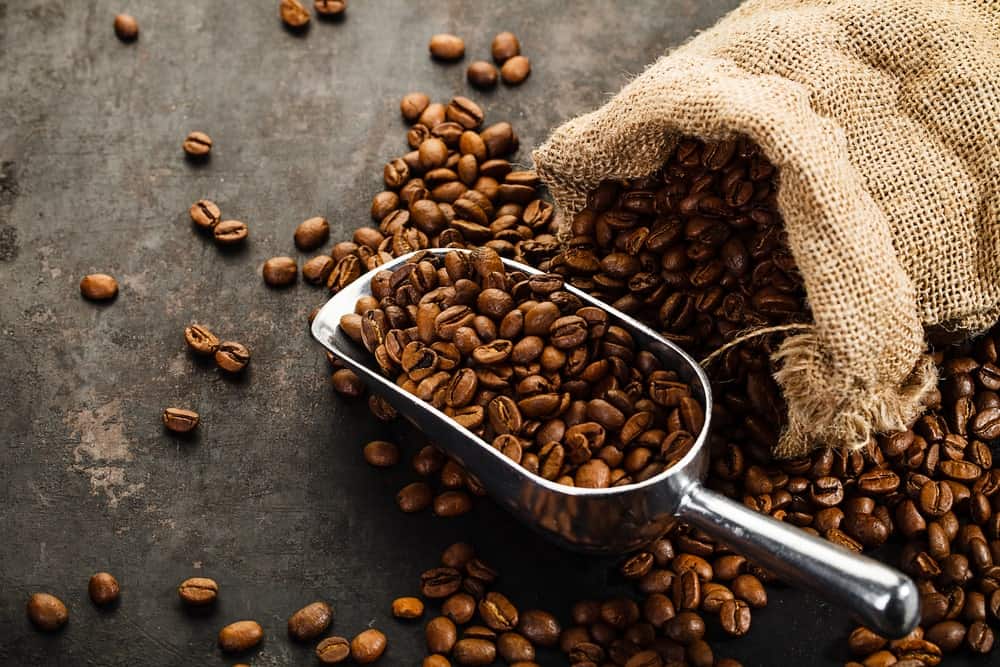 Coffee Beans
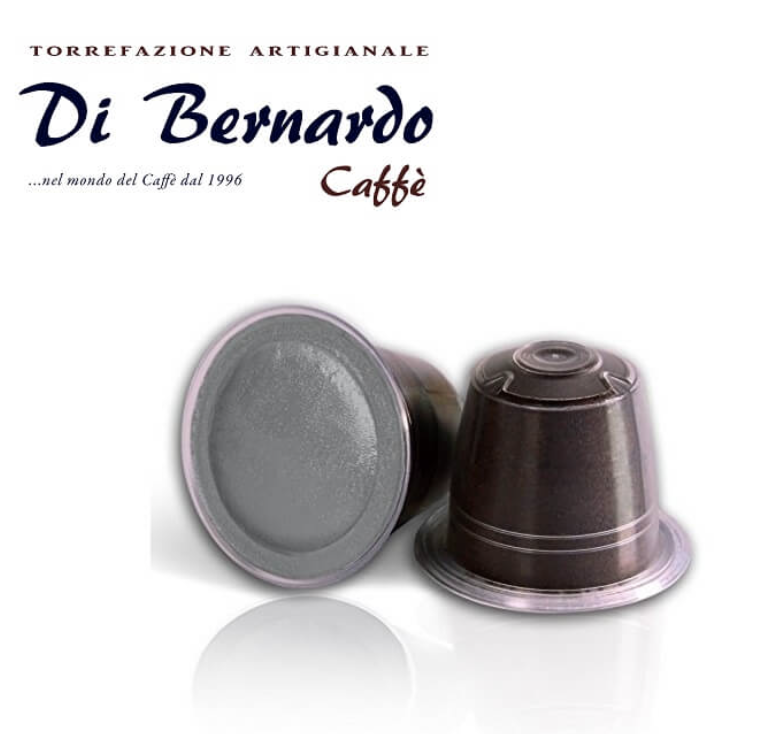 Capsules for Nespresso® Machine
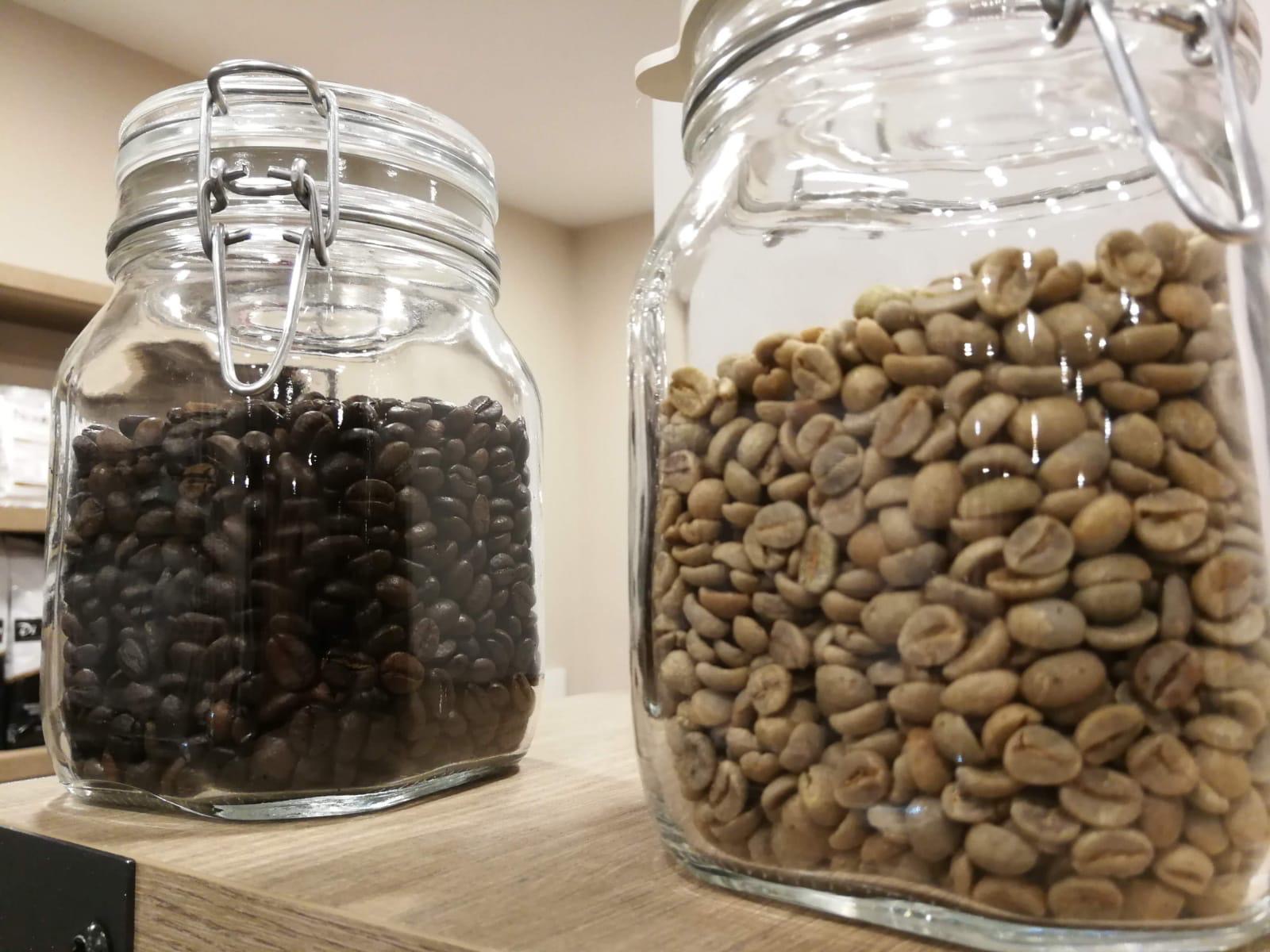 COFFEE ROASTER